
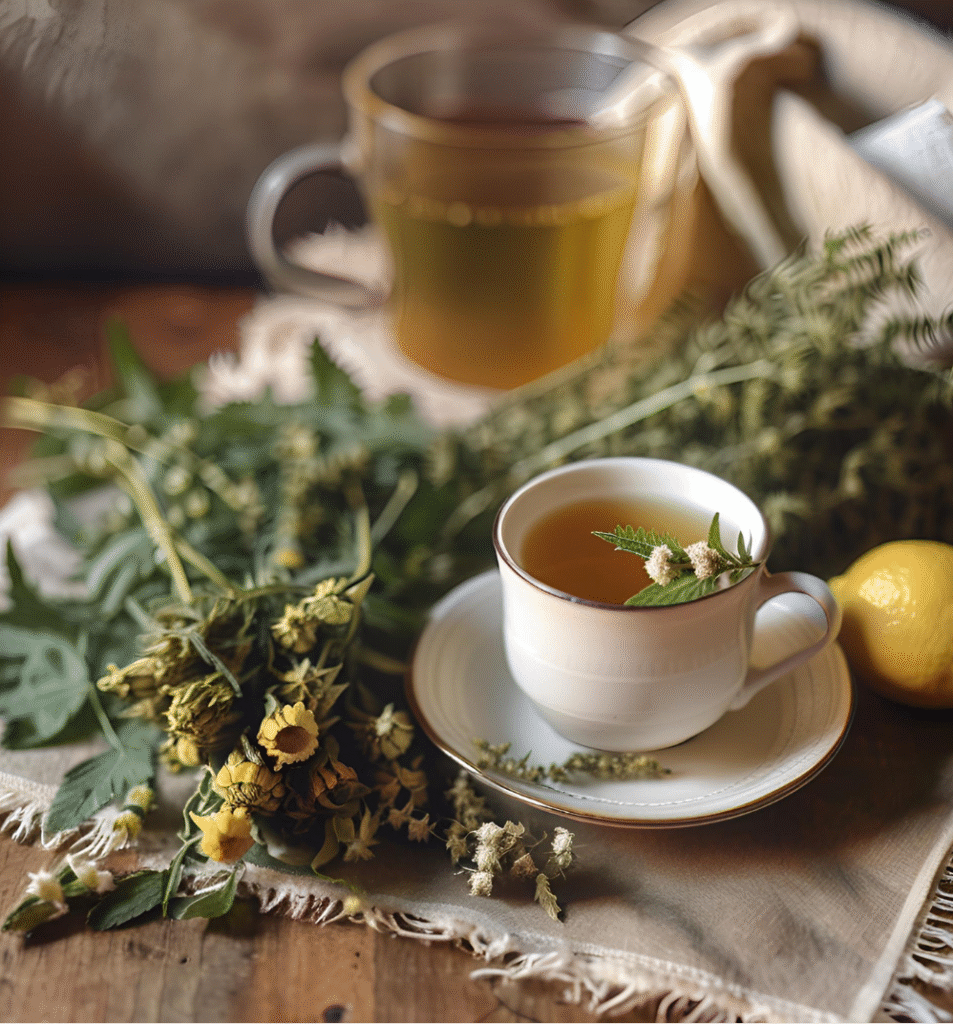
Herbal tea for overwhelm isn’t really about the tea, not at first anyway. It’s about that moment when everything feels just a little too loud, a little too full, and you find yourself craving something softer to hold onto.
After writing about meditation, I kept coming back to the same thought — while stillness is beautiful, it can also feel just out of reach on certain days. Sometimes the mind won’t settle just because we ask it to. And yet, we still need a way to pause.
So instead, we begin somewhere simpler.
Not with silence, but with warmth. Not with effort, but with something gentle and familiar. A cup in your hands, steam rising slowly, the quiet promise of a few minutes that belong only to you.
Because while this tea is made from chamomile, lemon balm, and a touch of lavender, what it really offers is a small return — to your breath, to your body, to the present moment.
The Quiet History of Tea as Ritual
Tea has never really been just a drink. Instead, it has long been a quiet practice — a way of returning, again and again, to the present moment.
In China, where tea first began its story, it was valued not only for its flavour, but for the feeling it created. Over time, what started as a simple infusion of leaves slowly unfolded into something more intentional. By the Tang Dynasty, tea preparation had already begun to take on a quieter rhythm — measured, attentive, almost meditative in its own way.
And yet, it wasn’t about perfection. Rather, it was about presence.
Monks, in particular, embraced tea not as a luxury, but as a companion to stillness. The act itself was simple: water warmed, leaves steeped, a cup held between the hands. No rush, no excess — just attention. In this way, tea became less about the drink, and more about the moment surrounding it.
Even now, that idea lingers.
Because while we might not follow a formal ceremony, we can still borrow something from that gentleness. We can pause and notice. We can let the making of tea become a small anchor in an otherwise busy day.
So no, you don’t need special tools or perfect technique. Instead, you only need a few minutes, a warm cup, and the willingness to be there for it.
And perhaps, that has always been enough.

Chamomile — The Gentle Exhale
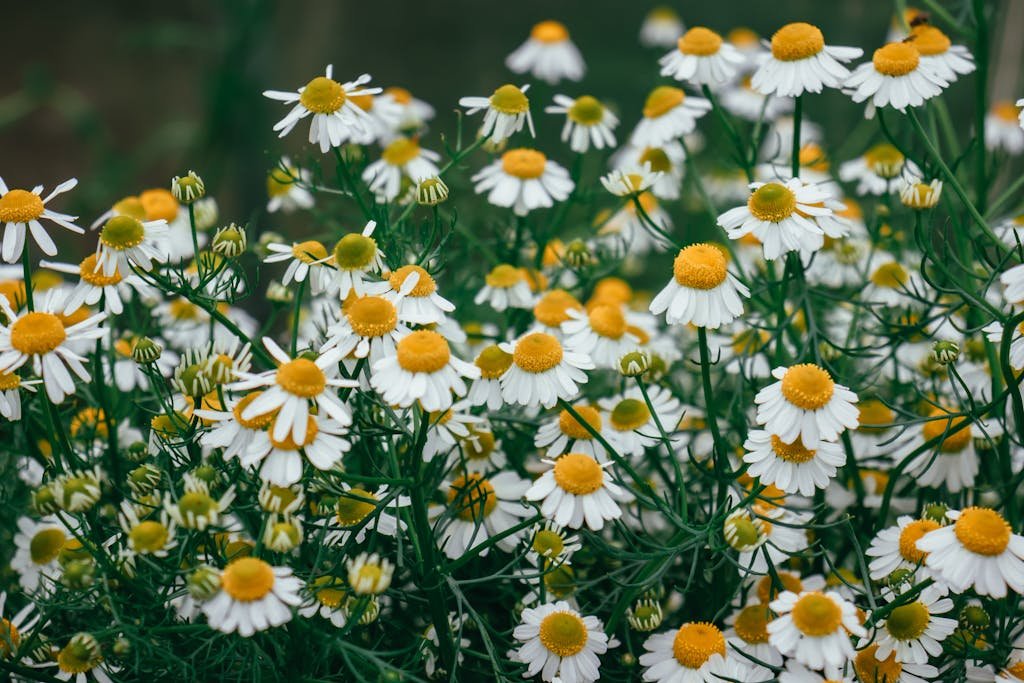
Chamomile is where this blend begins, and perhaps where the body begins to soften too. It’s one of those herbs that doesn’t arrive loudly. Instead, it works in a quieter way — easing the edges, settling the nervous system, like a long, slow exhale you didn’t realise you were holding.
For generations, chamomile has been turned to in moments of restlessness — before sleep, during worry, or simply at the end of a long day. And while we often speak of it as just one thing, there are actually a few different varieties, each with their own subtle character.
German chamomile is the one most commonly used in teas, known for its gentle calming properties and its ability to support sleep and digestion. It’s soft, slightly apple-like, and deeply comforting.
Then there’s Roman chamomile, a little more bitter, often used more in oils and herbal preparations, but still carrying that same soothing quality.
And tucked somewhere in between, you’ll sometimes find Pineapple chamomile — wild, a little unexpected, with a faint sweetness that hints at its name. Less commonly used in tea, but still part of the wider chamomile family.
And yet, regardless of the variety, the feeling remains much the same.
A quiet softening.
A gentle unwinding.
A small invitation to rest.
Lemon Balm — A Lifted Mood
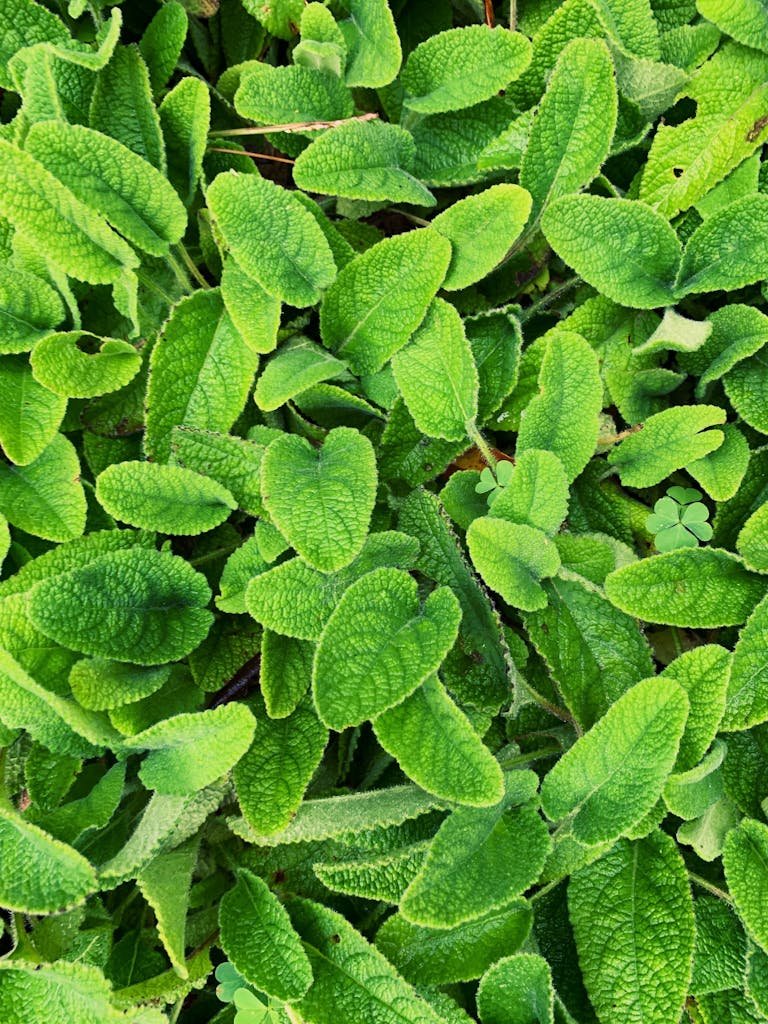
If chamomile is the exhale, then lemon balm feels like a small shift in the light — subtle, but noticeable. It doesn’t weigh things down or make you sleepy. Instead, it gently lifts, easing that tightness that can sit quietly in the chest when the day has been a little too much.
There’s something immediately comforting about its scent — soft citrus, green and alive — and it has long been used to steady the mood, calm the nerves, and bring a little brightness back into heavy moments. Not a dramatic change, but a gentle one. Just enough.
It also happens to belong to the mint family, which makes a lot of sense once you’ve grown it. Like mint, it’s generous… and a little enthusiastic. Given the chance, it will spread happily, sending out new growth and quietly taking up space.
So if you’re planting it in the garden, it’s worth giving it a corner of its own, or even keeping it contained. Not to restrict it completely, but just to keep things in balance.
Because, much like this tea, lemon balm works best when it’s allowed to be present — but not overpowering.
Just a soft lift, exactly where it’s needed.
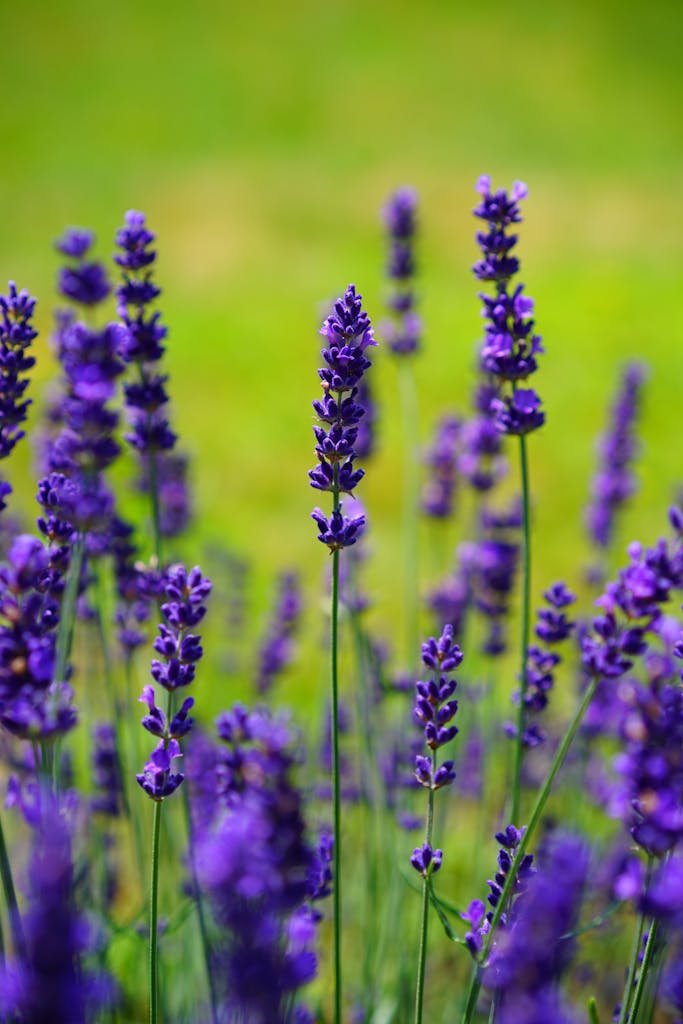
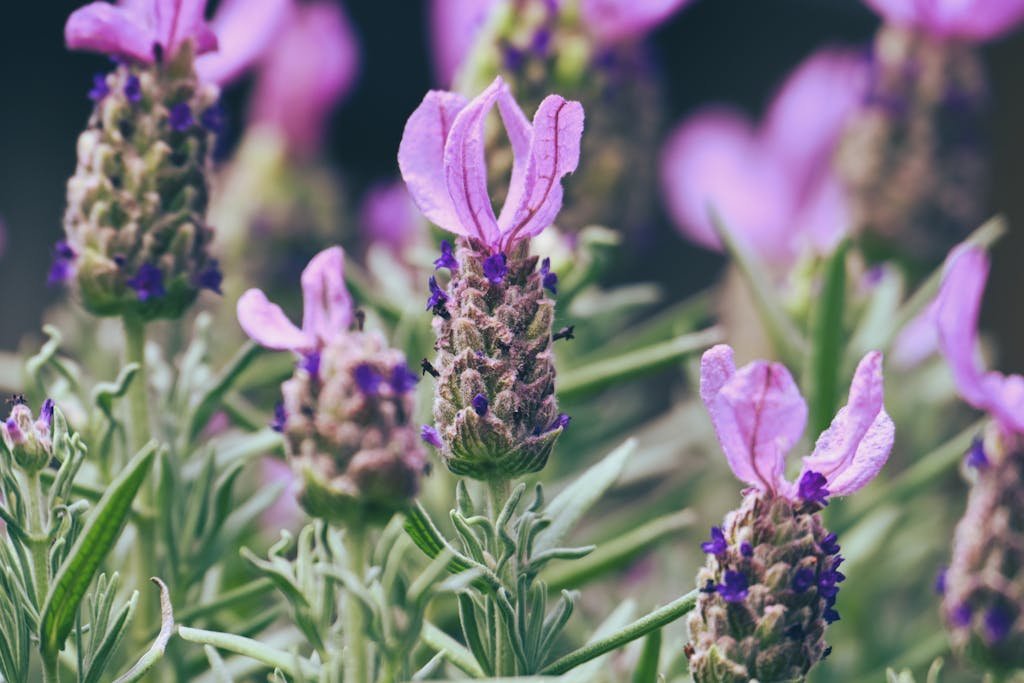
Lavender — Softening the Edges
Lavender has a way of arriving just at the point where things feel a little too sharp. Not to take everything away, but to soften it — to round off the edges and bring a kind of quiet ease back in.
Its scent is unmistakable. Floral, yes, but with something deeper beneath it — grounding, steady, almost reassuring in its familiarity. Used gently, it can help calm the mind, ease tension, and settle that restless, circling feeling that often comes with overwhelm.
And like many herbs, not all lavender is quite the same.
English lavender is the one most often used in teas and cooking. It’s softer, sweeter, and more delicate — the kind you want here, where the goal is calm rather than intensity.
Then there’s French lavender, a little sharper in scent, often grown for its fragrance and appearance rather than for culinary use.
And Lavandin, a hybrid, sits somewhere in between — stronger, more camphor-like, commonly used in essential oils and sachets, but a little overpowering for a gentle tea like this.
Which is why, in this blend, less really is more.
Just a small pinch is enough. Enough to soften, without taking over. Enough to bring that quiet sense of calm, without overwhelming the cup itself.
Because lavender, at its best, doesn’t demand attention.
It simply helps everything else settle into place.
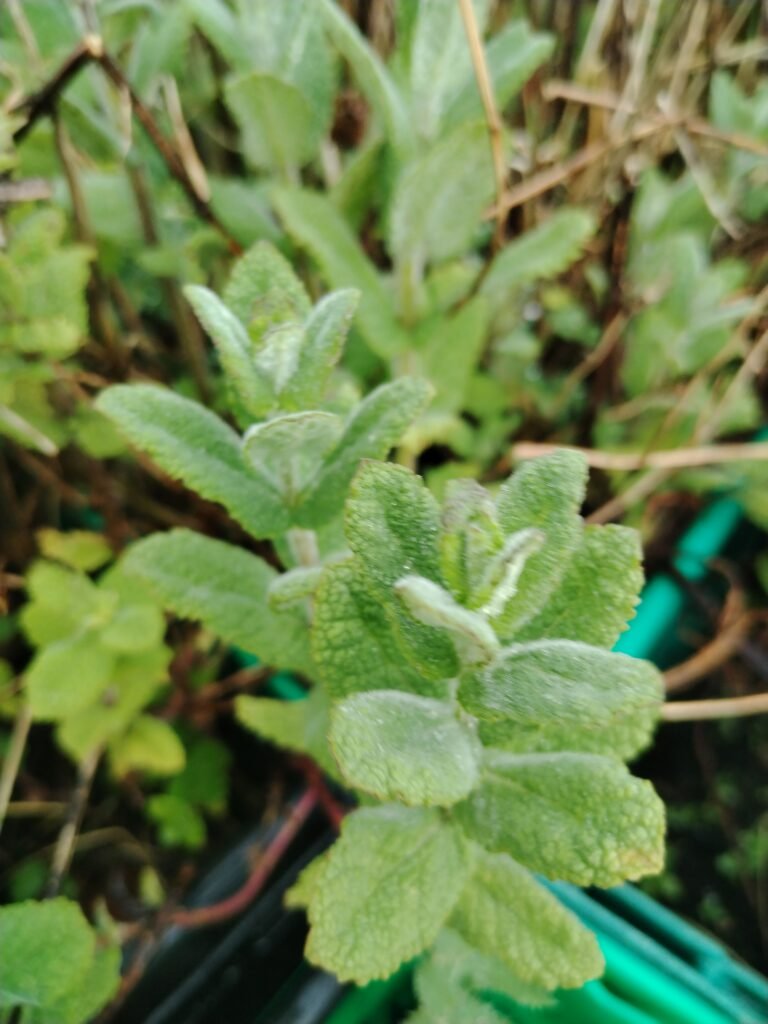
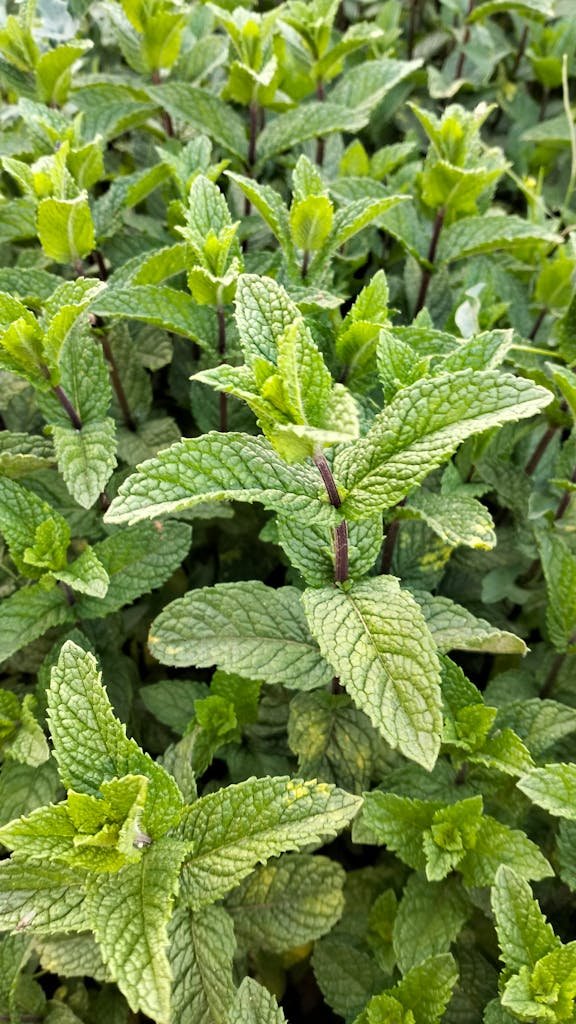
Mint — A Breath of Fresh Air (Optional)
Mint is the final note in this blend, and it works a little differently to the others. While chamomile and lavender soften, and lemon balm steadies, mint brings a quiet clarity — like opening a window in a warm room and letting fresh air move through.
If your focus is calm, then Spearmint is the one I would reach for. It’s softer than many of the other mints, with a gentle sweetness and none of that sharp, almost icy intensity you sometimes get from stronger varieties. It settles the stomach, eases tension in the body, and adds a lightness to the blend without pulling it too far into stimulation.
It’s the kind of mint that doesn’t interrupt the calm — it supports it.
There are, of course, many others. Mint is generous like that, always crossing and changing, offering up new variations in scent and flavour. Some are brighter, some deeper, some almost chocolatey.
You might come across:
- Peppermint — stronger, more cooling, very refreshing but less gentle
- Apple mint — soft and slightly fruity
- Chocolate mint — rich, with a subtle sweetness
- Pineapple mint — light and slightly tropical
- Watermint — more wild, with a deeper herbal note
And yet, for this cup — for something meant to soothe rather than awaken — it’s spearmint that feels most at home.
Just a few leaves are enough.
Enough to lift the blend slightly, to keep it from becoming too heavy, while still holding onto that sense of rest.
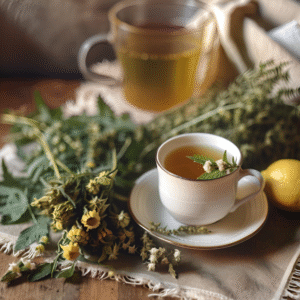
The Calming Herbal Tea Recipe

Ingredients
- 1 g Chamomile dried
- 1 g Lemon balm dried
- 0.2-0.3 g Lavender dried
- 3-4 Mint leaves fresh
- 250 ml Water boiled
- Honey to taste
Instructions
- Add the herbs to a tea egg or directly into a cup
- Pour over the hot (not boiling!) water
- Let it steep for 5-7 minutes
- Strain gently
- Add honey if you like it a bit sweeter
A Small Ritual, a gentle shift
By the time the kettle has cooled just enough, and the herbs have had their quiet moment to infuse, something has already begun to change. Not everything — the day is still what it is — but something softer has edged its way in.
Maybe it’s the pause.
Maybe it’s the warmth in your hands.
Or maybe it’s simply the act of choosing, even briefly, to step out of the rush.
You don’t need to do anything special here. No perfect setting, no carefully planned ritual. Instead, just sit for a moment. Hold the cup. Let the steam rise, carrying with it that gentle mix of chamomile, lemon balm, lavender, and mint.
Take one slow breath.
And then another.
Because this was never really about fixing overwhelm. It’s not about solving the whole day, or quieting every thought. Those things take time, and sometimes more than time.
This is something smaller.
A soft interruption.
A place to land, even if only for a few minutes.
And that’s enough.
Over time, these small moments begin to gather. A cup of tea here, a breath there, a quiet pause in between everything else. They don’t ask much of you, and yet they offer something steady in return.
So if the day still feels full when you finish the last sip, that’s okay. Let it be what it is.
You’ve already created a moment of calm within it.
And sometimes, that’s where the shift begins.