
How to Know When It’s Time to Start Over in Life isn’t always obvious at first. Sometimes it arrives quietly, through a growing feeling that the life around you no longer feels emotionally safe, peaceful, or even fully true anymore.
For me, it wasn’t that I suddenly hated my life. In many ways, I loved what I had built. The farm, the growing vegetables, the cooking, the rhythm of market gardening — those parts felt real and grounding. But internally, something had started shifting. I was becoming more aware of how tense I felt all the time, never fully knowing when the next argument would come, where it would come from, or what version of reality I was supposed to believe that day. That uncertainty slowly changes you.
And weirdly, when your external life still looks beautiful on the surface, it can take even longer to admit something deeper isn’t working anymore.
I started listening to people like David Bayer and Tony Robbins, trying to understand why my inner world felt so disconnected from the life I was living outwardly. Little by little, I realized starting over is rarely about throwing your whole life away. Sometimes it’s about becoming honest enough to admit that your peace, clarity, and sense of self matter too.
And honestly, that realization changes everything.
The Quiet Signs Your Life No Longer Fits You
Most people don’t wake up one morning suddenly knowing it’s time to completely change their life. More often, the signs arrive quietly and gradually, hidden inside everyday moments that are easy to dismiss at first. It can begin as a constant feeling of restlessness, emotional exhaustion, or the strange sense that you no longer fully recognise yourself inside the life you’re living.
Sometimes, it looks like losing excitement for things that once made you happy. Other times, it’s feeling drained by routines, relationships, environments, or expectations that you used to carry much more easily. You may notice yourself craving more peace, more space, or simply more room to breathe.
What makes these signs so confusing is that nothing necessarily looks “bad enough” from the outside. A life can appear stable, successful, or even beautiful while internally, something feels deeply disconnected. Which is why people often stay stuck longer than they should, convincing themselves they should be grateful instead of honest.
At the same time though, your inner world usually notices the truth before your external life changes. You might start questioning old patterns, imagining different ways of living, or feeling drawn toward people, ideas, and conversations that challenge the version of life you’ve been tolerating.
And I think one of the clearest signs is this: when you spend more energy emotionally managing your life than actually living and enjoying it. Because eventually, even good things can begin to feel heavy when your inner self has already outgrown the life your outer self is still trying to maintain.
Why So Many People Resist Starting Over
I think one of the hardest parts about starting over is that, long before anything changes externally, you first have to admit to yourself that something internally isn’t working anymore. And honestly, that can feel terrifying. Because even when a situation is making you unhappy, emotionally exhausted, or constantly anxious, it’s still familiar. Meanwhile, change feels uncertain, messy, and full of risk.
For me, there was also this deep feeling that changing my life somehow meant I was giving up. I kept thinking maybe I just hadn’t fought hard enough yet. Maybe if I stayed calmer, worked harder, explained myself better, or held everything together a little longer, things would improve. And because of that, I carried a huge amount of guilt around even thinking about starting over. In my mind, leaving meant failure.
At the same time though, there were real practical worries too. Financial responsibilities, children, routines, homes, work — real life doesn’t simply pause while you try to figure yourself out. And then there’s identity. You become attached to the version of yourself connected to that life, even if parts of it are hurting you.
I also struggled with the pressure to “just be grateful,” especially because parts of my life genuinely were beautiful. The farm, the growing vegetables, the cooking, the rhythm of market gardening — those things mattered deeply to me. Which made it even harder to admit that internally, I was becoming emotionally burnt out from constantly forcing myself to stay the same while everything inside me was asking for change.
And weirdly enough, staying stuck can start feeling safer than the unknown, even when deep down, you already know your life no longer fits.
The Emotional Side of Starting Over Nobody Talks About
What surprised me most about starting over was that it didn’t feel empowering all the time. In fact, a lot of it felt deeply uncomfortable, lonely, and honestly quite grief-filled. I think people often talk about fresh starts as though they arrive with clarity and excitement, but for me, it felt more like standing between two versions of my life, not fully belonging to either one yet.
At the same time, I was grieving things I still loved while also knowing I couldn’t stay the same. And that’s the part nobody really prepares you for. You can miss a place, a routine, a version of yourself, or even the hope you once had for your future, while still understanding that something needed to change. Those two feelings can exist together, even though it feels confusing at first.
There was also a strange guilt that followed me for a while. Guilt for wanting more peace. Guilt for disappointing people. And weirdly enough, guilt for becoming a different person than the one everyone expected me to remain. Starting over has a way of stripping away identities you’ve carried for years, and honestly, that can leave you feeling a little lost before you start feeling free.
Meanwhile, there’s a loneliness that comes with personal reinvention too. Not everyone understands your decisions while you’re making them, especially when your growth no longer matches the version of you they were comfortable with. That part hurt more than I expected.
But slowly, I realised something important: healing and rebuilding often happen together. You don’t wait until you feel completely healed before changing your life. Sometimes the change itself is part of the healing. And although uncertainty can feel frightening, there’s also something incredibly peaceful about finally becoming honest with yourself.
The Guilt and Fear of Starting Over With Kids
Making the decision to completely change my own life was something I could eventually come to terms with. If things went wrong, if it didn’t work out the way I had hoped or imagined, then at least I could carry that responsibility myself. But when you’re making those decisions for your children too, the emotional weight of it feels entirely different.
Because suddenly, it’s no longer only about your own fear, grief, or uncertainty. It becomes tangled up with theirs as well. You start questioning everything. What if they miss their old life too much or they struggle to settle? What if one day they resent you for changing everything they once knew? Honestly, I think that fear sat heavier on me than almost anything else.
Children don’t always understand the deeper reasons behind life changes, especially when they’re still grieving the comfort of what felt familiar to them. And as a parent, that can make you feel incredibly guilty, even when you know deep down you made the decision out of love, protection, or hope for something healthier.
At the same time though, I slowly realised something important: children also learn from what we quietly tolerate. They learn what love looks like, what safety feels like, and whether constantly sacrificing your own wellbeing is normal. And although starting over can feel disruptive in the short term, sometimes creating a more peaceful, emotionally stable life becomes the greater gift in the long run.
That doesn’t make the fear disappear entirely. I still carry parts of it sometimes. But I think parenting often means making impossible-feeling decisions with incomplete certainty and simply hoping that, one day, your children will understand the love behind them.
Small Ways to Start Over Without Destroying Your Entire Life
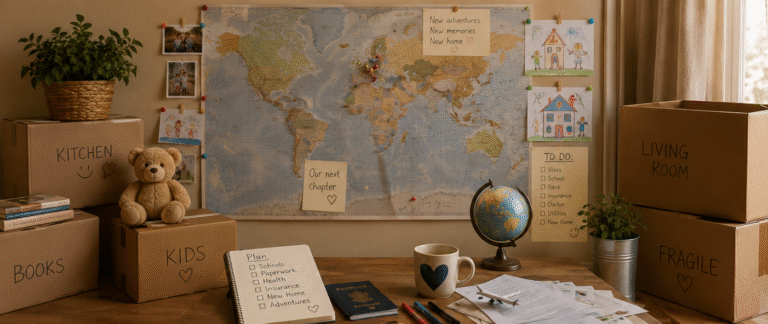
I think one of the biggest misconceptions about starting over is that it has to happen all at once. Social media often makes reinvention look dramatic and instant, like people suddenly transform their entire lives overnight. But real change rarely works like that. Most of the time, starting over begins quietly through small actions that slowly create a different life over time.
For me, it started less with huge decisions and more with small shifts in my routines, my thinking, and the way I reacted to situations around me. Before anything externally changed, I first had to create a little emotional stability inside myself. Alongside that came practical stability too — figuring things out financially, building structure, and creating a safer foundation to land on.
At the same time, not every change has to be extreme. Sometimes starting over begins by changing your environment slightly, creating healthier boundaries, breaking old habits, or allowing yourself to try something new again. Even small things — visiting new places, listening to new ideas, or reconnecting with neglected parts of yourself — can slowly shift the direction of your life.
I also think support matters far more than people admit. Whether it’s friends, family, therapy, books, podcasts, or simply hearing someone explain feelings you couldn’t put into words yourself, support helps you keep moving when uncertainty feels overwhelming.
And honestly, reinvention is usually much slower than social media makes it seem. Most people are rebuilding themselves while still carrying fear, grief, responsibilities, and unfinished healing at the same time. But slowly, through small repeated choices, your life begins to feel different before you fully realise it has changed.
Practical Steps to Build a Life That Feels More Aligned
Build a Stable Foundation First
For me, this part was essential. I never would have changed my life without first having a job and a place to live lined up. No matter how emotionally ready I felt for change, I still needed some kind of practical foundation underneath me before I could take that leap. And honestly, I think that’s something people don’t talk about enough. Starting over does not have to mean being reckless. Sometimes the bravest decisions are actually the carefully planned ones.
Having stability in place first gave me something to hold onto when everything else felt uncertain. It didn’t remove the fear completely, but it made the fear manageable.
Set Realistic Goals for Your Next Chapter
One thing I realised very quickly is that when you’re rebuilding your life, you cannot expect yourself to have every answer immediately. In the beginning, I stopped focusing so much on creating some perfect long-term vision and instead focused on realistic goals that would simply help me feel stable again. Safety, routine, income, peace, somewhere to live — those things became more important than trying to “have it all figured out.”
And honestly, smaller goals felt far less emotionally overwhelming too.
Simplify Life Wherever You Can
When your entire life feels emotionally heavy, even simple decisions can become exhausting. I found that simplifying things wherever possible helped me cope better mentally. Fewer unnecessary commitments, fewer pressures, fewer expectations to constantly perform or prove myself.
Sometimes rebuilding starts by making life quieter before making it bigger.
Focus on One Step at a Time
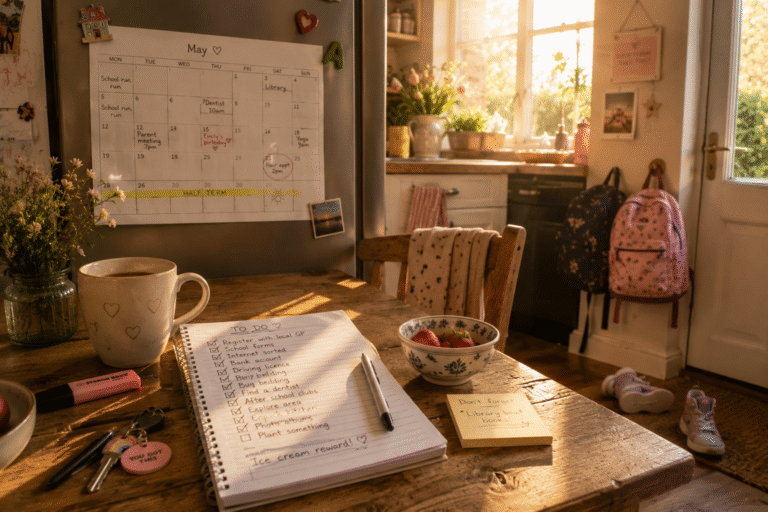
When people think about starting over, they often look at the entire mountain all at once, and naturally, it feels impossible. New home, new routines, emotional healing, parenting, finances, work — it can overwhelm you very quickly.
What helped me most was focusing on the next step instead of the entire future. One phone call. One application. One conversation. One practical task at a time. Tiny steps slowly became a completely different life without me fully realising it at first.
Create Routines That Support Your Mental Wellbeing
For me, routines became grounding during periods where everything else felt uncertain. Small things like morning coffee, walks, cooking, writing, work, or creating little moments of normality helped calm my nervous system more than I expected.
When life changes dramatically, routines quietly remind you that stability can still exist, even while everything else is evolving.
Rebuild Confidence Through Small Wins
I think confidence after major life changes rebuilds much slower than people expect. At first, even basic decisions can make you doubt yourself. Which is why small wins matter so much.
Every problem solved, every difficult conversation survived, every challenge handled alone, every new routine created — slowly, those things start proving to you that you are capable of building a life you can trust yourself inside of again.
Prepare Emotionally and Financially
I think emotional preparation matters just as much as practical preparation. Because even when you know you’re making the right decision, change still creates grief, doubt, fear, and exhaustion.
At the same time though, financial preparation creates breathing room. Even small savings, a plan, or knowing where your income will come from can make an enormous difference to how safe you feel during transition periods.
Let Your New Life Evolve Naturally
One thing I’m still learning is that starting over does not mean you instantly become a completely new person overnight. Your new life unfolds gradually. Some parts of your old self come with you. Some parts quietly fall away. And some entirely new parts emerge when you finally have space to breathe differently.
Not everything has to be forced immediately.
Give Yourself Permission to Change Direction Again
I used to think decisions had to be permanent to be valid. But honestly, sometimes healing also means allowing yourself to adjust, pivot, or change direction again later if something no longer feels right.
There’s a lot of freedom in understanding that rebuilding your life is not one final perfect decision. It’s an ongoing relationship with yourself.
Measure Success by Peace Instead of Appearance
This one changed everything for me. I think for a long time, I measured success by how things looked from the outside. Whether life appeared stable, successful, impressive, or “together.” But after everything, peace started mattering more than appearance.
Not a perfect life. Not a glamorous life. Just a life where I could finally exhale a little more often.
Accept That There Will Never Be a Perfect Time
This was probably one of the hardest things for me to accept. I kept waiting to feel completely certain, completely healed, completely fearless before making changes. But life rarely gives you that kind of clarity beforehand.
Eventually, I realised that sometimes you prepare as best you can, create as much stability as possible, and then still have to trust yourself enough to move forward anyway.
In the end…
I think one of the biggest turning points for me came when I stopped asking myself, What do I not want anymore? and started asking a much more difficult question instead: What do I actually want?
Most people can easily tell you everything they dislike about their life. The stress, the pressure, the unhappiness, the exhaustion, the relationships, the environment, the routines that no longer fit. But when you ask yourself what you truly want instead, the answer often becomes much less clear. And honestly, that question can feel surprisingly uncomfortable at first because it forces you to become honest with yourself in a completely different way.
But slowly, I realised that once you begin focusing on what you genuinely want your life to feel like, that vision starts becoming a kind of north star. Not in a perfect or instant way, but quietly. It begins guiding your decisions, your boundaries, your priorities, and the direction you move in, even when you still feel uncertain.
And I think that’s what starting over really is for most people. Not one huge dramatic moment, but a series of small honest choices that slowly bring you closer to yourself again.
The truth is, you do not need to have every answer before you begin. You do not need a perfect plan, complete certainty, or some flawless reinvention. Sometimes you simply need enough honesty to admit that your current life no longer fits the person you are becoming.
And maybe that alone is where change truly starts.