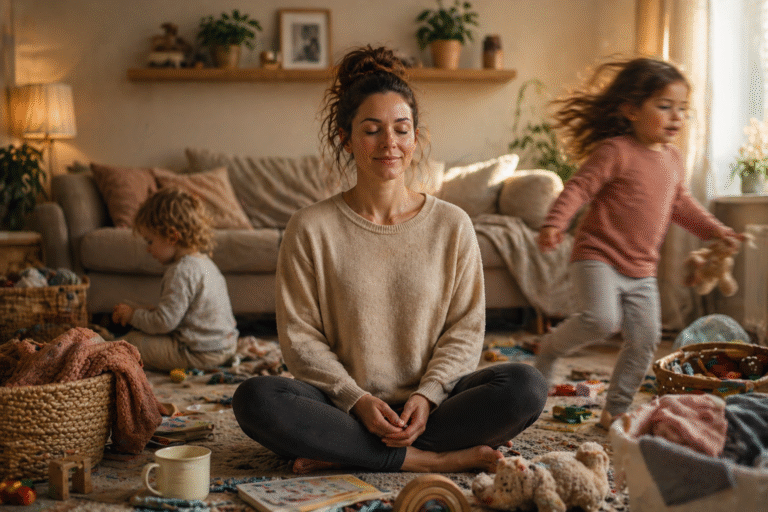
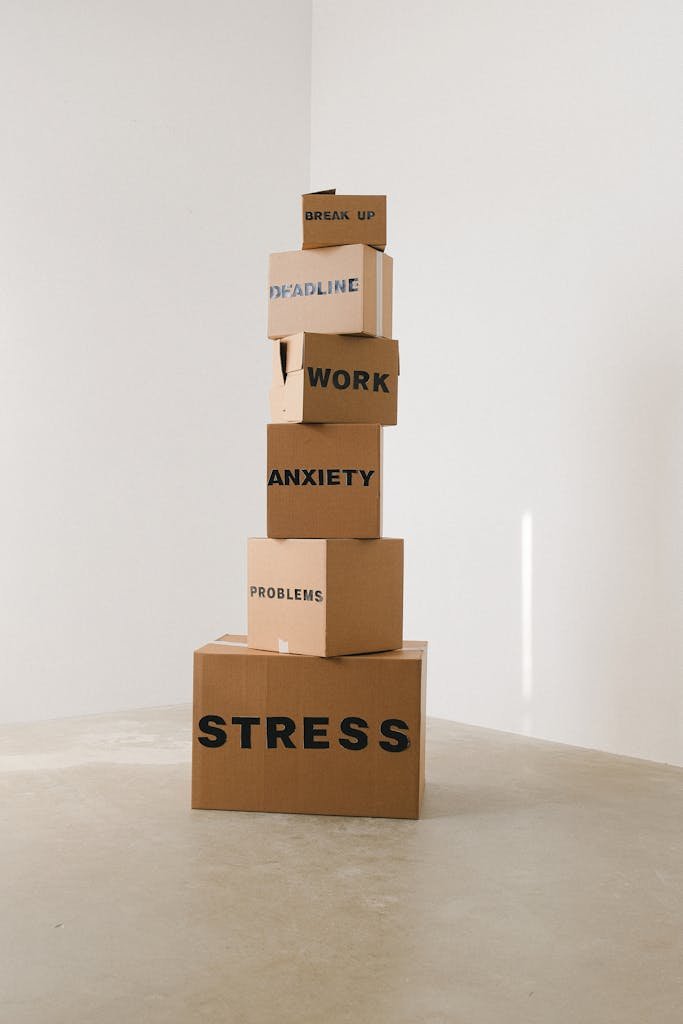
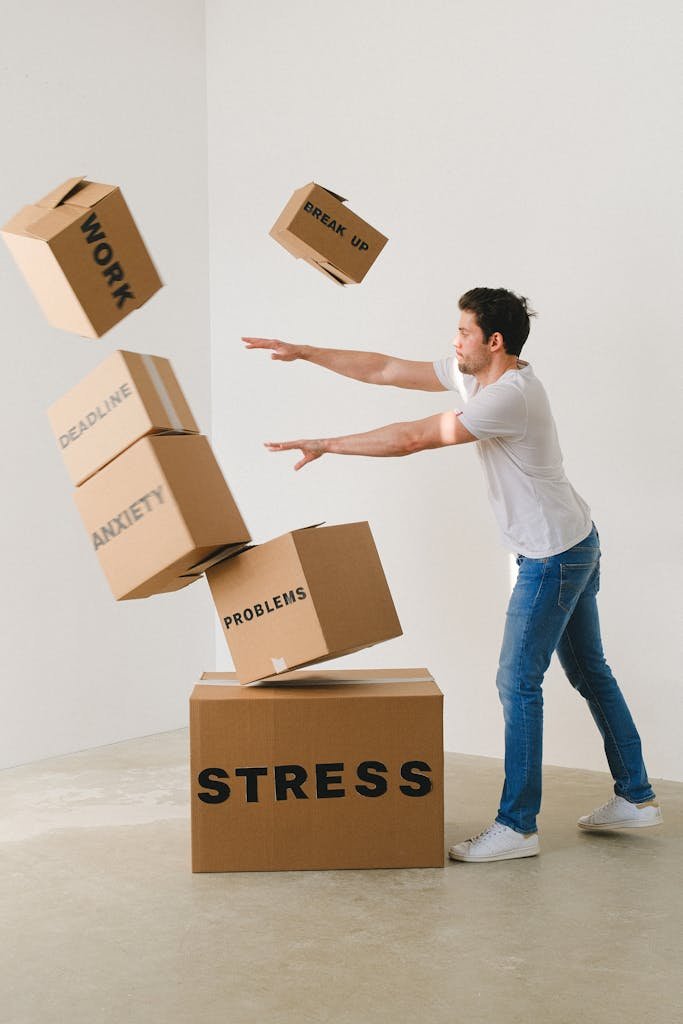
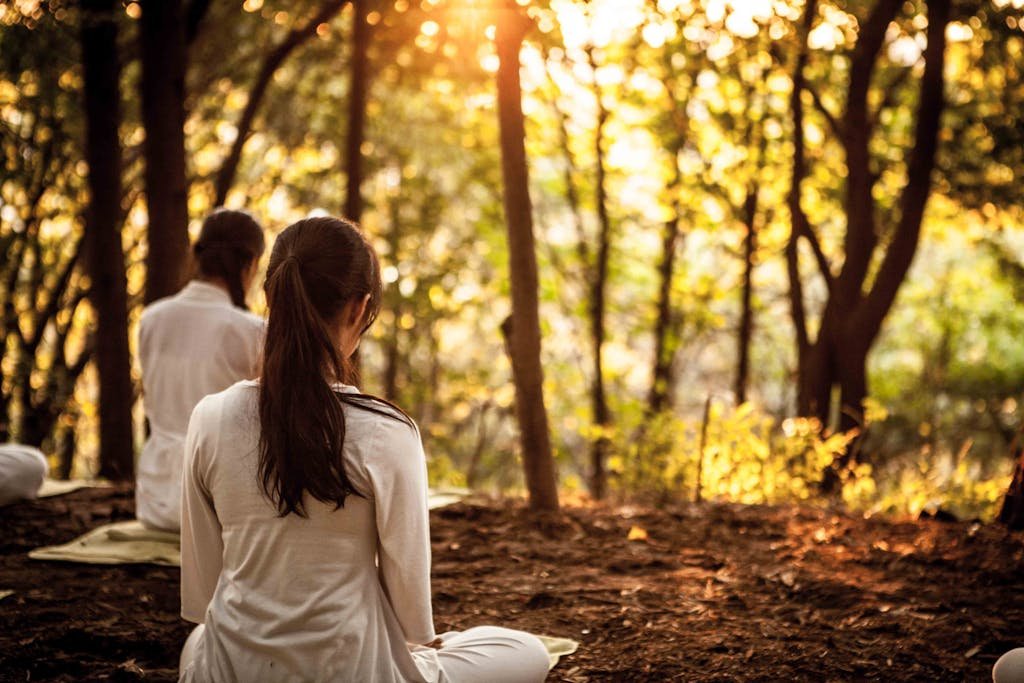
Meditation became my lifeline at a time when everything felt like it was quietly slipping through my fingers. It didn’t suddenly erase my problems, but instead, it gave me something far more valuable — a way to see them clearly, and eventually, a way through them.
At the time, one of our biggest worries was money. I was working part-time in a hotel where I had waitressed for nearly fifteen years, and for a long time, i felt happy there. We were a team, a small family. However, things had changed. The steady flow of well-paying, generous guests had dwindled, and with that, so had my income. As a result, I felt the loss not only emotionally, watching something familiar decline, but also very practically in my pocket.
And yet, despite all of this, I hesitated. There were still so many positives — the familiarity, the people, the sense of loyalty I felt. Leaving didn’t just feel like a career move; it felt like a betrayal of a family I had been part of for years. So I stayed, even as the situation around me shifted.
However, this is where meditation quietly began to change things. Instead of circling the same worries over and over, I slowly started to look at my situation from a different, healthier angle. Rather than focusing solely on what was going wrong, I began asking myself what I actually wanted. And, little by little, that shift mattered.
At the same time, life began to open in small, unexpected ways. I reconnected with people I hadn’t seen in a while, and through those conversations, an opportunity appeared — a job offer that held onto the upsides I valued, but also offered far greater financial stability. In hindsight, it didn’t come out of nowhere. Meditation had helped me notice it, consider it, and most importantly, believe I could step into something different.
Because, in the end, meditation didn’t change my circumstances overnight — it changed how I positioned myself within them. Instead of feeling stuck in the problem, I began focusing on the future I wanted to create. And from that place, pathways that I couldn’t see before slowly began to reveal themselves.
Why Meditation Helps When You Feel Overwhelmed
When I was overwhelmed, it never felt like just “a lot going on.” Instead, it everything was happening at once — thoughts piling up, worries getting louder, and even the smallest decisions suddenly seemed impossible. Because of that, I often found myself either freezing or avoiding things altogether. Not because I didn’t care, but because I genuinely didn’t know where to begin.
However, meditation started to shift things in a way I didn’t expect.
It didn’t clear my mind or fix my problems overnight, but it created a little bit of space. And that space changed everything. The best way I can describe it is this: I went from feeling like an actor stuck in the middle of a chaotic play to becoming the director of it. I was still in it, still involved, but I could also see what was happening from a slight distance. As a result, things felt less emotional and much more thought through.
I ‘stumbled’ across a youtube video that explained Meditation and was my starting point:
Then, slowly, I learned the power of pausing.
Before, I would react instantly — spiraling into stress or worry. But with meditation, I could take a breath first. And in that pause, I had a choice. I wasn’t just reacting anymore — I was responding.
And that’s where the real shift happened.
Instead of thinking, “This is too much,” my mind began to ask, “What is one thing I can do next?”
It’s a small change, but it makes everything feel more manageable. Because rather than trying to solve everything at once, you simply take one step at a time — and somehow, that’s enough to move forward.
Not All Meditation Looks the Same
At the beginning, I thought meditation meant sitting still, in silence, with a completely empty mind. And to be honest, that idea alone almost put me off trying. Because when your head is full — really full — the thought of “switching off” feels not only unrealistic, but slightly impossible.
However, what I came to realise is that meditation doesn’t look just one way.
In fact, there are so many different approaches, and not all of them involve sitting cross-legged in silence. Some are guided, where someone gently talks you through it. Others involve movement, like walking slowly and paying attention to each step. And some are as simple as focusing on your breath for a few minutes while the kettle boils.
Because of that, finding the right kind of meditation became less about “doing it properly” and more about finding what actually worked for me.
And that part matters.
Because if something feels forced or frustrating, you’re not going to stick with it — especially not when you’re already overwhelmed. So instead of trying to fit myself into one rigid idea of meditation, I started experimenting. Some days, I needed guidance. Other days, I just needed quiet. And sometimes, sitting still wasn’t an option at all.
Slowly, I began to understand that meditation is not about perfection — it’s about connection. It’s about giving yourself a moment to step back, breathe, and reset, in whatever way feels most natural to you.
So if one type doesn’t work, that doesn’t mean meditation isn’t for you.
It simply means you haven’t found your way yet.
Mindfulness Meditation (The Gentle Anchor)
This was the first type of meditation I kept coming back to — mostly because it was simple, and at the time, simple was all I could handle.
Mindfulness meditation is really just about paying attention to the present moment. Most often, that means focusing on your breath — noticing it as it comes in, and as it goes out. And while that sounds almost too easy, I quickly realised it wasn’t about doing it perfectly. Because my mind would wander… constantly. At first, I thought I was failing at it.
However, over time, I understood that this was the practice.
Each time my thoughts drifted — back to money worries, work, or everything I felt I hadn’t figured out — I gently brought my focus back to my breath. Not forcefully, not with frustration, but just… back. And in doing that, again and again, I started to notice something shift.
Instead of getting completely lost in my thoughts, I became aware of them.
And that awareness created space.
Because rather than spiraling, I could catch myself sooner. I could see the thought, acknowledge it, and let it pass without it pulling me under. It didn’t mean the thoughts stopped showing up — but they didn’t have the same grip on me anymore.
Over time, I also started building a small ritual around it. I would make myself a cup of tea before I sat down — nothing elaborate, just something warm in my hands. I’d sip it slowly first, almost like I was giving myself permission to arrive. That simple act set the tone. It told my mind and body: this is a pause now. And somehow, that made it so much easier to settle into stillness.
That’s why I think of mindfulness as a gentle anchor.
It doesn’t remove the storm, but it stops you from being carried away by it. It gives you something steady to come back to, no matter how busy or overwhelming things feel.
And the best part is, you don’t need much to start — just a few minutes, a quiet moment, your breath… and maybe a warm cup of tea to help you land.
Guided Meditation (Being Led When You Feel Lost)
Guided meditation became something I turned to on the days when my own thoughts felt too loud to sit with. When overwhelm was at its peak, even the idea of focusing on my breath felt difficult, because my mind would immediately run back to everything I was trying to escape. And so, instead of forcing stillness, I let someone else gently guide me into it.
With guided meditation, there is a voice that leads you — step by step — through the process. Sometimes it’s simple breathing instructions, sometimes it’s imagery, like imagining a safe place or walking through nature in your mind. At first, I wasn’t sure if it would work for me. However, I quickly realised that having that external guidance gave my mind something to hold onto, especially when I felt unsteady inside.
In those moments, I didn’t have to figure anything out. I didn’t have to “do it right.” I just had to listen.
And that alone made a difference.
Because instead of being pulled into my own spiral of thoughts, I had something steady to follow. The voice became a kind of anchor, gently bringing me back whenever I drifted off into worry or planning or stress. Over time, I noticed that even though my circumstances hadn’t changed, my inner experience had softened slightly.
There was also something comforting about not being alone in it.
Even though it was just a recording, it felt like support — like someone was saying, “Come on, just stay with me for a few minutes.” And sometimes, that was exactly what I needed.
So when everything felt like too much, guided meditation gave me structure. It gave me permission to stop trying so hard. And most importantly, it reminded me that even in overwhelm, I don’t always have to find my way alone.
Movement Meditation (When Stillness Isn’t Possible)
Movement meditation became important to me on the days when sitting still just wasn’t an option. When I felt overwhelmed, my body often carried that tension too — restless, tight, almost like stillness made everything louder instead of quieter. So instead of forcing myself to sit, I learned to move with it.
At first, it was simple walking. Nothing structured, just stepping outside and paying attention to how my feet met the ground. However, over time I realised that movement itself could become meditation when I brought my awareness into it.
Because the focus shifted away from my thoughts and back into my body.
And that made a huge difference.
Whether it was slow mindful walking, gentle stretching, yoga, or even something like qigong, the principle stayed the same: I stopped trying to escape my mind and instead brought my attention into movement, breath, and rhythm. That combination grounded me in a way thinking never could.
In those moments, I didn’t need to solve anything. I just needed to be present with what I was doing — one step, one stretch, one breath at a time.
Over time, I began to see movement meditation as a release rather than a task. If I couldn’t sit with my thoughts, I could still move through them. And somehow, that created enough space for things to settle on their own.
So now, when everything feels too loud inside my head, I don’t always sit and try to be still. Sometimes I move first — and let stillness find me along the way.
Loving-Kindness Meditation (Softening the Edges)
Loving-kindness meditation was the one that surprised me the most, and honestly, also the one I resisted a little at the beginning. Because when I was overwhelmed, I wasn’t exactly in a place of softness. I was in survival mode — focused on fixing things, getting through the day, trying to hold everything together. So the idea of sending kindness to myself felt unfamiliar, even a bit uncomfortable.
However, I gave it a try anyway.
This type of meditation is about gently directing kind thoughts toward yourself and others. At first, that can feel strange. I remember sitting there thinking the words but not really believing them. But I stayed with it, even when it felt awkward.
And slowly, something began to shift.
Because instead of constantly pushing myself, judging myself, or running through everything I thought I was doing wrong, there were moments — even brief ones — where I softened. Where I wasn’t fighting myself quite so much.
That mattered more than I expected.
Over time, I noticed that my inner tone started to change. I still had stress and worries, of course, but I wasn’t adding extra weight through self-criticism. And in a strange way, that made everything feel a little more manageable.
It didn’t solve my problems. But it changed how I spoke to myself inside them.
And that alone created space.
Because when you stop turning against yourself, even slightly, you free up energy that you didn’t realise you were losing. Energy you can then use to actually move forward, rather than just surviving the moment.
So even though loving-kindness meditation didn’t come naturally to me at first, it slowly taught me something important: that I don’t have to be hard on myself in order to get through hard things.
Focused Meditation (Training the Mind Like a Muscle)
Focused meditation was the type that felt the most “practical” to me, especially when my mind was all over the place. Instead of trying to watch thoughts come and go, I would pick one thing to focus on — usually my breath, sometimes a sound, or even just the feeling of sitting still.
At first, it was frustrating. Because my attention kept slipping away. I would focus for a few seconds, and then suddenly I was back in my thoughts again — planning, worrying, replaying conversations. And every time that happened, I thought I was doing it wrong.
However, over time I started to see it differently.
Each time I noticed I had drifted and gently brought my focus back, I was actually training my mind. Not failing it. It became less about staying perfectly focused and more about returning, again and again, without judgment.
And that’s where the shift happened.
Because slowly, I noticed I could hold my attention a little longer. My thoughts didn’t feel quite as scattered. And even outside of meditation, I started catching myself sooner when I was spiraling or overthinking.
It didn’t make life suddenly calm or perfect. But it gave me something I hadn’t really had before — a sense that my mind wasn’t completely out of my control.
And that changed how I handled overwhelm.
Instead of being pulled in every direction at once, I could pause, refocus, and choose where to put my attention. Even if it was just for a moment, that moment made a difference.
So in a way, focused meditation taught me discipline — but in a gentle way. Not through force, but through practice. One return at a time.
Body Scan Meditation (Coming Back to Yourself)
Body scan meditation became one of the most grounding practices for me, especially when I felt completely disconnected from myself. When overwhelm builds up, it doesn’t just live in your thoughts — it shows up in your body too. Tight shoulders, a heavy chest, tension you don’t even notice until you finally stop.
So instead of trying to fix my thoughts, I started by coming back into my body.
In a body scan, you slowly bring your attention through different parts of the body — noticing sensations without trying to change them. At first, I was surprised by how much I had been holding without realising it. There were areas of tension I had learned to ignore just to keep going.
However, as I continued, something softened.
Because rather than staying stuck in my head, I began to reconnect with what was actually happening in my body in that moment. I noticed where I was tense, where I was tired, where I was simply holding too much. And just noticing it — without judgment — created a sense of release.
It didn’t fix everything, but it brought me back to myself.
And that mattered.
Over time, I started to see body scan meditation as a way of checking in, almost like a quiet conversation with myself. A way of asking, how am I actually doing right now? instead of just pushing through.
So when everything feels overwhelming, this practice reminds me to slow down and return to the basics — breath, body, presence. Because sometimes, before you can think clearly again, you first have to come back home to yourself.
Finding Your Way (And Letting It Change)
One of the biggest things I learned through meditation is that there isn’t just one “right” way to do it. And more importantly, there isn’t just one way that works forever.
At different points in my life, I needed different things. Sometimes I needed guidance because my mind felt too loud to sit with alone. Other times I needed movement because stillness felt impossible. And then there were moments where something as simple as focusing on my breath was enough to bring me back to myself.
However, I used to think I had to choose one method and stick with it properly. If it didn’t work consistently, I assumed I was doing something wrong. But over time, I realised that meditation is not meant to be rigid — it’s meant to meet you where you are.
And where you are will always change.
Because life changes. Stress levels change. Energy changes. Even your capacity to sit still or focus changes from day to day. So it makes sense that your practice should be flexible too.
Once I allowed myself to switch between different types of meditation, everything became easier. There was less pressure to “get it right” and more curiosity about what I actually needed in the moment.
And that made me more consistent, not less.
So instead of asking, “What is the correct way to meditate?” I started asking, “What do I need right now?” And that question alone shifted everything.
Because meditation stopped being another task to master, and became something supportive — something I could return to in many different forms, depending on the day.
And slowly, I realised that wasn’t a sign of inconsistency.
It was the practice working exactly as it should.
One Breath, One Step
If I look back at the time when everything felt overwhelming, I can see now that I wasn’t missing strength — I was missing space.
- to think clearly.
- Space to feel without drowning in it.
- to choose instead of just react.
And meditation gave me that.
Not all at once, and not in a dramatic way. It came quietly, through small practices that slowly changed how I met my own thoughts and my own life. Some days it was a breath. Other days it was a walk, a guided voice, or just a few minutes of stillness before the day started.
However, over time, those small moments added up.
They helped me step back just enough to see that I wasn’t trapped in my situation — I was inside it, yes, but I still had choices. And once I could see that, even slightly, everything started to open up in a different way.
Because instead of focusing only on what was going wrong, I began to notice what could change. What I could do next. Where I could move toward something better.
And that’s really what meditation gave me in the end — not escape, but direction.
So now, when life starts to feel heavy again, I don’t try to fix everything at once. I come back to something smaller. One breath. One step. One simple action I can take from where I am.
Because I’ve learned that overwhelm doesn’t always need a big solution.
Sometimes, it just needs a pause… and the courage to begin again from right here.