There’s something about those first real walks of spring—the ones where you can feel the season turning in the air. The damp earth waking up, the hedgerows whispering with fresh shoots, and if you’re lucky, the scent of wild garlic drifting through the woods. And when you pair that foraged wild garlic with homegrown kale, something truly special happens— kale and wild garlic pesto. It’s fresh, vibrant, and packed with the essence of early spring.
These walks have become a bit of a ritual in our house, a way to shake off winter and stretch our legs properly. And if you have kids, you’ll know that a simple walk won’t always cut it. But call it a treasure hunt, and suddenly, they’re all in.
That’s the magic of foraging. One minute, they’re dragging their feet; the next, they’re darting between trees, little hands tugging at the long, green leaves of wild garlic, faces lighting up when they find the biggest bunch. “Is this enough?” they’ll ask, clutching their leafy prize like gold. And they’ll keep going much longer than they would on an ordinary walk—because now, they have a mission.
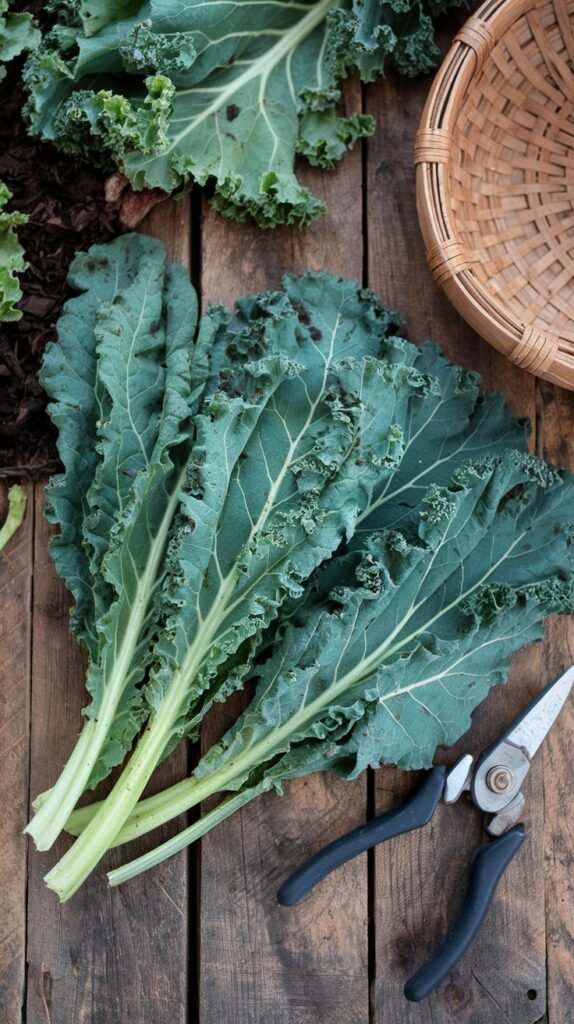
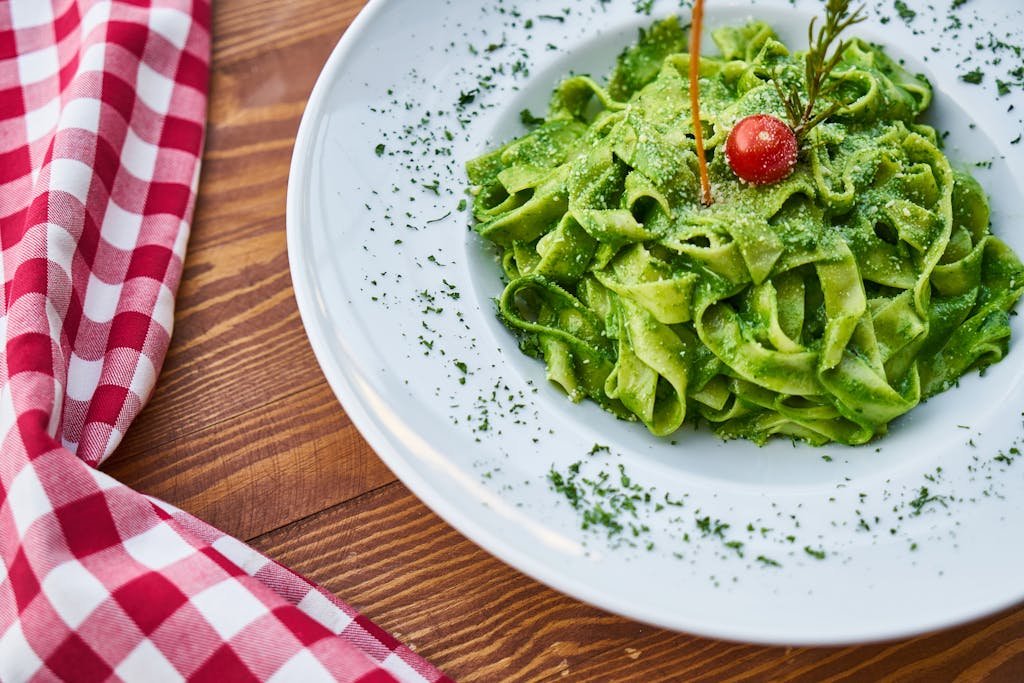
And this mission ends in the best way possible: with food. Freshly picked wild garlic, tender homegrown kale, blended into a silky, creamy pesto—it’s spring in a bowl. If you haven’t grown your own kale yet, it’s easier than you think—here’s how to get started.
Toss it with pasta, and suddenly, that walk in the woods tastes even better.
Amazon declaration:
Some of the links in this post are affiliate links, including links to products on Amazon. This means if you click and make a purchase, I may earn a small commission at no extra cost to you. I only recommend items I genuinely love and believe could add value to your life. Thank you for supporting this blog—it helps keep the content free and full of ideas just for you!
Why Use Wild Garlic & Kale for Pesto?
Pesto is one of those kitchen staples that can transform a simple meal, but why settle for the usual basil when you can use what’s growing right outside your door? Wild garlic and kale make the perfect pair—not just because they’re delicious together, but because they tick all the boxes for seasonality, sustainability, and nutrition.
First off, it’s all about eating with the seasons. Wild garlic bursts onto the scene in early spring, carpeting woodland floors in lush green leaves long before most other edibles appear. Meanwhile, kale stands strong all year, even braving the cold of winter. Together, they create a pesto that celebrates the turn of the seasons—the wild meeting the homegrown in a way that just feels right.
Then, there’s the nutritional powerhouse side of things. Kale is packed with vitamins A, C, and K, along with antioxidants and gut-friendly fiber. Wild garlic isn’t just a pretty face either—it brings immune-boosting properties, natural antibacterial benefits, and that signature garlicky punch without the harshness of regular garlic cloves.
And the flavor? Absolutely next level. Wild garlic has a soft, mellow heat, a delicate onion-garlic hybrid that blends beautifully with kale’s slightly earthy bite. The result? A rich, vibrant pesto that’s creamy, bold, and bursting with freshness.
Best of all, this pesto is as eco-friendly as it gets. Foraging for wild garlic means zero food miles, zero plastic packaging, and a cost-effective way to add gourmet flavor to your meals. Pair that with homegrown kale (which you can grow easily—here’s how) and you’ve got a pesto that’s not just delicious, but truly rooted in the land around you.
How to Forage for Wild Garlic Safely
Embarking on a foraging adventure for wild garlic can be both rewarding and delightful, especially during those early spring walks with the family. However, it’s essential to approach this activity with knowledge and caution to ensure a safe and sustainable harvest.
Where to Find It
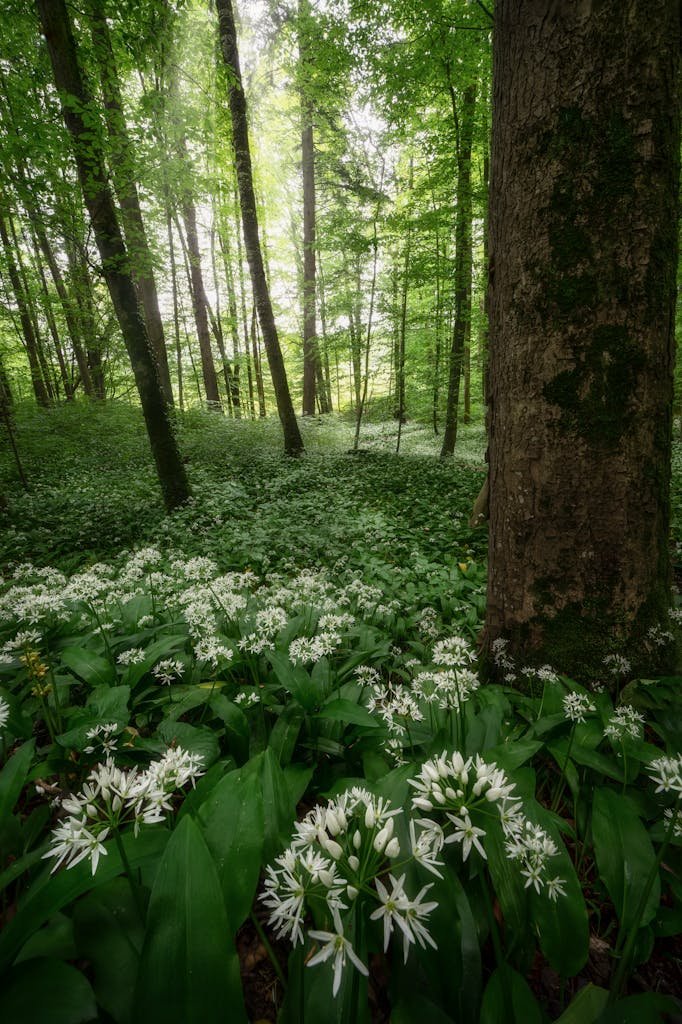
Wild garlic, also known as ramsons, flourishes in damp, shaded environments. You’ll often find it carpeting woodlands, riverbanks, and shaded areas from early to late spring. The lush green leaves and delicate white flowers create a distinctive presence in these habitats.
How to Identify
Proper identification is crucial to avoid confusing wild garlic with harmful plants. Key characteristics include:
- Leaves: Broad, lance-shaped, and vibrant green.
- Scent: A unmistakable garlicky aroma emitted when the leaves are crushed.
- Flowers: Small, white, star-shaped clusters that bloom later in the season.
Always rely on multiple identification features to ensure accuracy.
Sustainable Harvesting
To maintain ecological balance and ensure future growth:
- Harvest Responsibly: Pick leaves sparingly, taking only what you need and allowing the plant to continue thriving.
- Avoid Uprooting: Never remove the entire plant or its bulbs, as this can hinder regrowth.
- Steer Clear of Polluted Areas: Avoid foraging near roadsides or areas exposed to pollutants to ensure the purity of your harvest.
Lookalikes to Avoid
Some plants resemble wild garlic but are toxic. Notable lookalikes include:
- Lily of the Valley: Lacks the garlic scent and has bell-shaped flowers.
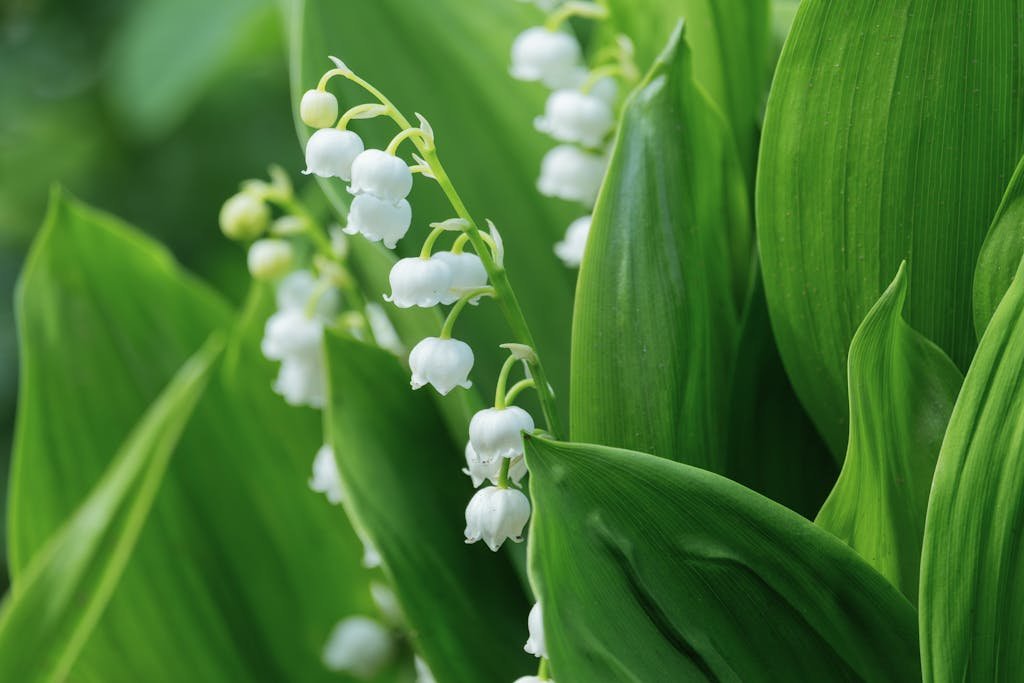
Always cross-reference multiple identification markers and consult reputable foraging guides or experts when in doubt.
For a visual guide on safe foraging practices, you might find this video helpful:
Essential Tools for Foraging and Making Pesto
Foraging for wild garlic is a simple pleasure, but having the right tools makes the experience even more enjoyable—and ensures you’re harvesting responsibly. And once you’ve gathered your fragrant greens, the right kitchen tools will help you whip up the perfect batch of pesto in no time.
Foraging Essentials
- A Breathable Foraging Bag or Basket – Plastic bags can make leaves sweat and wilt quickly. A mesh bag or woven basket keeps your wild garlic fresh and vibrant on the way home.
- A Pocket Knife or Foraging Scissors – While wild garlic leaves can be plucked by hand, a sharp pair of scissors or a small knife helps with clean cuts and prevents damage to the plant.
- A Reliable Foraging Book – If you’re new to foraging, a well-illustrated wild plant identification guide is a must. Look for books that focus on edible plants in your region.
- Reusable Gloves (Optional) – While wild garlic is safe to handle, if you’re foraging in damp woodlands, gloves can protect your hands from nettles and brambles along the way.
Pesto-Making Must-Haves
- A Good Food Processor or Pestle & Mortar – A sturdy food processor makes quick work of blending pesto to a creamy consistency, while a pestle and mortar offer a more traditional, textured result.
- Glass Storage Jars – Airtight glass jars help preserve homemade pesto and keep it fresh for longer. Bonus points if they’re reusable!

Creamy Kale & Wild Garlic Pesto Pasta

Ingredients
Foraged & Garden ingredients
- 50 g Wild garlic washed
- 50 g Kale washed and stems removed
Pesto Base
- 50 g Nuts Walnuts, Pecan, pine nuts etc.
- 50 g Parmesan cheese, vegan cheese grated
- 120 ml Olive oil extra virgin
- 1 clove Garlic
- 15 ml Lemon juice about 1/2 lemon
- 1/2 tsp Sea salt
- 1/4 tsp Black pepper
For the Pasta
- 250 g Pasta of choice
- 80 ml reserved Pasta water
- 1 splash of cream or plant based milk for extra creaminess
Instructions
Foraging and Prepping
- Wash and dry the wild garlic and kale thoroughly.
Making the pesto
- Toast the nuts or seeds in a dry pan over medium heat for 2-3 minutes until lightly golden and fragrant.
- Add the wild garlic, kale, toasted nuts, Parmesan (or nutritional yeast), and garlic clove to a food processor.
- Pulse a few times, then slowly drizzle in the olive oil while blending until smooth.
- Add the lemon juice, salt, and pepper, then blend again. Adjust seasoning to taste.
Cooking the Pasta
- Boil pasta until al dente, reserving some pasta water.
Bringing It All Together
- Toss the pasta with the pesto, adding reserved water for a silky sauce
- Stir in a splash of cream (optional) for an ultra-creamy finish
Notes
- Protein Boost – Add grilled chicken, roasted chickpeas, or tofu.
- Extra Greens – Mix in spinach, arugula, or fresh peas.
- Cheese Lovers – Top with burrata, feta, or extra Parmesan.
- Dairy-Free/Vegan – Use nutritional yeast and plant-based milk.
- Nut-Free Option – Substitute sunflower seeds or pumpkin seeds.
Storing & Using Leftover Pesto
Making a batch of kale and wild garlic pesto is a rewarding experience, but what if you don’t use it all at once? No worries—this vibrant, flavor-packed sauce stores beautifully, so you can enjoy it long after your foraging adventure.
Best Ways to Store Pesto
- Fridge Storage – Keep your pesto in an airtight glass jar with a thin layer of olive oil on top to preserve freshness. It will last up to a week, but let’s be honest—it’s too delicious to last that long!
- Freezer-Friendly – Freeze your pesto in for perfectly portioned servings. Once frozen, pop the cubes into a bag and store them for up to six months—ideal for a quick flavor boost anytime.
Creative Ways to Use Leftover Pesto
Pesto isn’t just for pasta! Here are some delicious ways to enjoy it beyond the usual bowl of noodles:
- Spread on Toast & Sandwiches – Swap butter for a smear of pesto on warm sourdough or use it as a flavor-packed sandwich spread.
- Drizzle Over Roasted Veggies & Soups – A spoonful of pesto adds depth and brightness to roasted potatoes, grilled zucchini, or a steaming bowl of soup.
- Stir Into Scrambled Eggs & Dressings – Elevate your breakfast by mixing a little pesto into scrambled eggs, or whisk it into a simple vinaigrette for a punchy salad dressing.
This pesto is too good to waste, so get creative and enjoy every last spoonful!
Bringing It All Together
There’s something truly special about bringing foraged foods into your kitchen. It turns a simple meal into a story—one that starts with muddy boots, eager hands, and the fresh scent of wild garlic filling the air. When you pair those freshly picked leaves with homegrown kale, you’re not just making pesto—you’re weaving together a meal that’s seasonal, sustainable, and deeply connected to the land.
And let’s talk about kale for a moment. It’s a powerhouse of nutrition, but it also happens to land on the Dirty Dozen list year after year (find out why here). The good news? It’s one of the easiest crops to grow yourself! Whether in garden beds, pots, or tucked into a corner of your greenhouse, kale thrives with little effort and rewards you with nutrient-dense greens for months (learn how to grow your own kale).
So the next time you’re out for a springtime wander, bring a basket and let the kids in on the fun—turning foraging into a treasure hunt makes the adventure last that much longer. Then, back home, blend up your finds into a pesto that’s more than just a meal—it’s a celebration of the season.
Spoon it over pasta, swirl it into soups, or slather it on toast. However you enjoy it, this kale and wild garlic pesto is a simple, delicious way to bring the wild into your kitchen—one flavorful bite at a time.
