
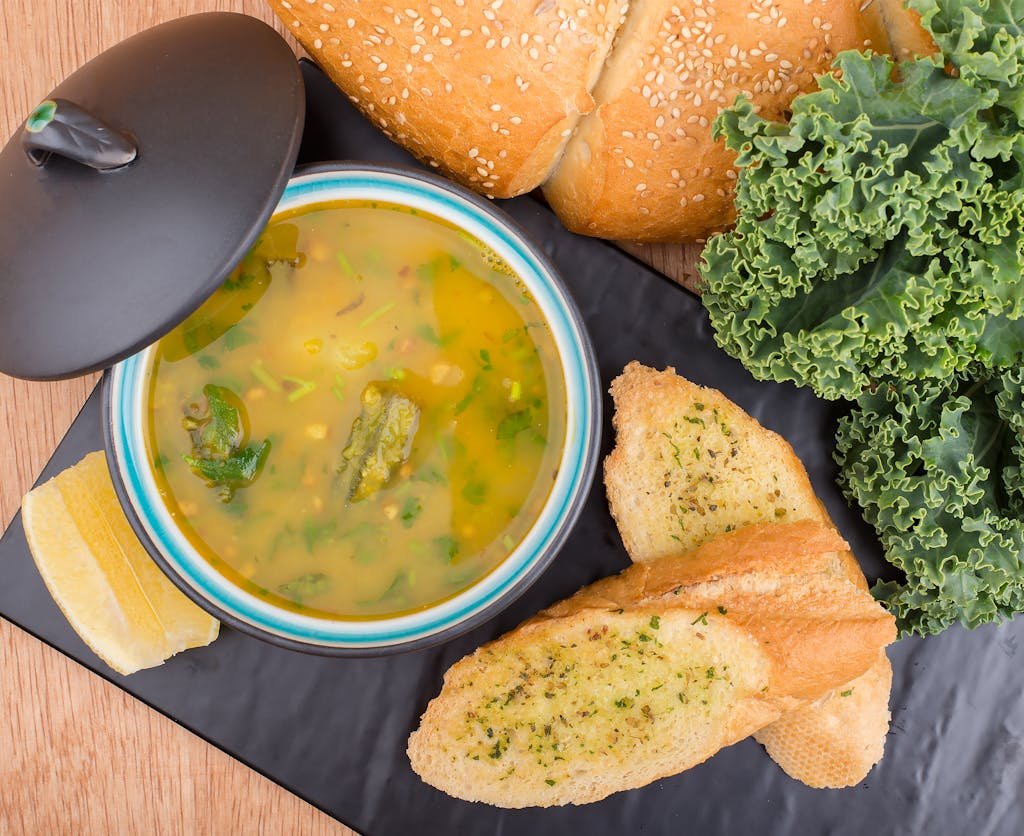
There’s something magical about watching little hands reach for wild greens, their faces lighting up as they learn the quiet wisdom of nature. Kale, White Bean and Foraged Greens Soup is more than just a meal—it’s a reminder of how simple and powerful it is to connect with nature through food. In a world full of screens and schedules, teaching our kids to forage and grow their own food helps them build a deeper bond with the land, the seasons, and the nourishment they provide.
Imagine the joy of recognizing wild garlic’s unmistakable scent in the air or the thrill of spotting tender chickweed nestled among the grass. These small moments weave a deeper connection to the seasons, the soil, and the food we eat. They teach patience, curiosity, and respect for the land that sustains us.
Foraging is a simple yet powerful way to slow down and nourish both body and soul. It reminds us that food doesn’t have to come from a plastic package—it can be found right outside our door, thriving in the wild, untouched by chemicals. Pairing these foraged treasures with homegrown produce, like sturdy kale from the garden, creates meals that are not just nourishing but deeply meaningful.
This Kale, White Bean, and Foraged Greens Soup is a celebration of that connection—hearty, wholesome, and filled with the flavors of the land. With wild garlic, bittercress, and chickweed, it’s a bowl of comfort that carries the essence of nature in every bite. So, grab a basket, head outside, and let’s bring a little more wild into our kitchens.
Jump to RecipeWhy Foraging is Good for Your Health & Soul
In a world where convenience often trumps quality, foraging is a refreshing way to reconnect with the land while nourishing your body. Not only does it provide access to some of the most nutrient-dense foods, but it also fosters a sense of mindfulness and appreciation for the natural world. Plus, it’s completely free!
Nutrient-Dense & Free Superfoods
Wild greens like bittercress, chickweed, and wild garlic are packed with vitamins and minerals, often surpassing their cultivated counterparts in nutritional value. Because they grow in natural conditions, without pesticides or human intervention, they develop a higher concentration of antioxidants and phytonutrients. Adding them to meals, like this Kale, White Bean, and Foraged Greens Soup, is an easy way to boost your diet with powerful plant-based nutrition.
Diverse Microbiome Support
A thriving gut microbiome is essential for overall health, and foraged foods play a surprising role in supporting it. Since wild greens grow in rich, living soil, they carry a wider variety of beneficial bacteria compared to store-bought produce. These microbes help diversify your gut flora, strengthening digestion and immunity in the process.
Mindful Connection to Nature
Foraging forces you to slow down, observe the changing seasons, and tune into the rhythm of the land. The simple act of walking through a meadow or woodland in search of edible treasures can be deeply grounding. Over time, you’ll develop a stronger connection to nature, recognizing which plants thrive in different environments and how they shift with the weather.
Sustainability & Self-Sufficiency
In an era of overprocessed, packaged food, foraging is a sustainable alternative. Wild food is as local as it gets—zero food miles, no plastic, no pesticides. Plus, learning to identify edible plants means you always have a source of fresh, organic greens, no matter where you are.
The Joy of the Hunt
There’s something incredibly rewarding about gathering your own food. Whether it’s the thrill of finding your first patch of wild garlic or the satisfaction of turning foraged greens into a hearty meal, the process is just as fulfilling as the end result.
Wild Garlic – The Springtime Superfood
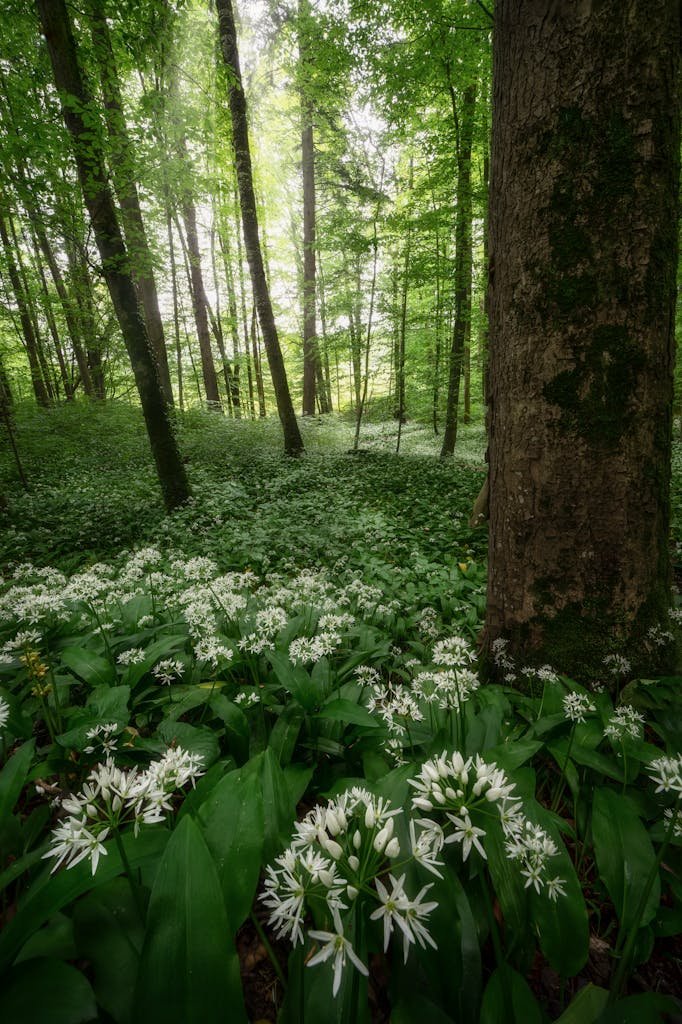
Wild garlic (Allium ursinum), also known as ramsons, is a cherished wild edible that heralds the arrival of spring. Its vibrant green leaves and distinctive aroma make it a favorite among foragers and chefs alike.
How to Identify Wild Garlic (Allium ursinum):
- Habitat: Thrives in damp, shaded woodlands, often forming lush carpets on the forest floor.
- Leaves: Long, pointed, and vibrant green with a smooth texture. Crushing the leaves releases a strong garlicky scent, a key identification feature.
- Flowers: White, star-shaped blossoms that appear in clusters during late spring, adding to its visual appeal.
Healing Properties & Benefits:
- Immune-boosting: Rich in allicin, a natural compound with potent antibacterial and antiviral properties, enhancing the body’s defense mechanisms.
- Heart-healthy: Regular consumption supports blood pressure regulation and improves circulation, contributing to cardiovascular well-being.
- Detoxifying: Aids liver function and assists in cleansing the body of toxins, promoting overall health.
To fully enjoy its flavor and health benefits, it’s best to use wild garlic fresh. Incorporate it into dishes like the Kale, White Bean, and Foraged Greens Soup towards the end of cooking to preserve its vibrant taste and nutritional profile.
For a visual guide on identifying and foraging wild garlic, you might find this video helpful:
How to Identify Bittercress (Cardamine hirsuta):
Bittercress, a member of the mustard family, is a resilient wild green that thrives in early spring. Often overlooked as a simple garden weed, this nutrient-packed plant boasts a mild, peppery flavor reminiscent of watercress, making it a fantastic addition to fresh dishes.
How to Identify Bittercress (Cardamine hirsuta):
- Habitat: Commonly found in garden beds, cracks in pavement, and disturbed soil, often appearing as an early spring volunteer.
- Leaves: Small, round, or lobed leaves grow in a rosette pattern, with delicate stems supporting clusters of foliage.
- Flowers: Tiny, white, four-petaled flowers bloom atop slender stalks, signaling its rapid growth cycle.
Healing Properties & Benefits:
- Rich in vitamin C: Supports immune function, boosts collagen production, and promotes skin health.
- Natural digestive aid: Helps stimulate digestion, reduce bloating, and support gut health.
- Mild diuretic: Assists the body in flushing out toxins and reducing water retention.
For the best flavor and nutritional benefits, use bittercress raw. Its fresh, peppery bite shines in salads, as a garnish, or stirred into dishes like the Kale, White Bean, and Foraged Greens Soup just before serving.
For a visual guide on identifying and foraging bittercress, you might find this video helpful:
Chickweed – The Gentle Healer
Chickweed is a humble yet powerful wild green, often overlooked in gardens and meadows. With its delicate leaves and tiny star-like flowers, it is both a nutritious edible and a gentle healing herb. Soft and mildly sweet in flavor, chickweed is a wonderful addition to soups, salads, and herbal remedies.
How to Identify Chickweed (Stellaria media):
- Habitat: Thrives in gardens, meadows, and along hedgerows, often forming dense mats of greenery.
- Leaves: Small, oval, and bright green with a slightly succulent texture, growing in opposite pairs.
- Flowers: Tiny, white, star-shaped blooms that resemble miniature daisies.
Healing Properties & Benefits:
- Soothes inflammation: Used in herbal medicine to calm skin irritations, aid digestion, and support wound healing.
- High in minerals: A natural source of iron, magnesium, and potassium, promoting overall vitality.
- Cooling & Moistening: Traditionally used to support lung health, helping to soothe dry coughs and respiratory discomfort.
For the best flavor and benefits, chickweed is best enjoyed fresh. Add it to soups like the Kale, White Bean, and Foraged Greens Soup, where its mild taste blends seamlessly while contributing valuable nutrients.
For a visual guide on identifying and foraging chickweed, you might find this video helpful:
Essential Foraging Equipment & Best Guides for Wild Edibles
Foraging is a rewarding way to connect with nature, but having the right gear makes the experience even better. A sharp foraging knife or pruning shears ensures clean harvesting without damaging plants. A woven basket or breathable mesh bag helps keep delicate greens fresh, while field guides are invaluable for proper plant identification. Sturdy waterproof boots and gloves are also useful, especially in damp or rugged environments. Whether you’re a beginner or an experienced forager, these essentials will make your adventures more efficient and enjoyable.
Top Foraging Books to Enhance Your Knowledge
- “Food for Free” by Richard Mabey – A classic and comprehensive guide to wild food, covering plants, fungi, seaweed, and more. Perfect for UK and Ireland foragers.
- “The Forager’s Harvest” by Samuel Thayer – One of the best in-depth books on edible wild plants, with detailed descriptions, identification tips, and harvesting methods.
- “THE WILD FOOD PLANTS OF IRELAND“ by Tom Curtis – While not strictly a foraging book, it’s an excellent guide on using foraged ingredients to create ferments, expanding the ways you can preserve wild foods.
With the right tools and knowledge, foraging becomes a deeply enriching practice that brings seasonal, nutrient-rich foods straight from nature to your table.
Hearty Kale, White Bean and Foraged Greens Soup

Ingredients
- 1 medium Onion diced
- 2 Carrots diced
- 2 Celery stalks diced
- 400 g White beans Can drained and rinsed (Cannellini or Butter beans)
- 100 g Kale destalked and chopped
- 2 tbsp Olive oil
- 1 l Vegetable broth
- 3 Cloves Garlic minced
- 1/2 tsp Paprika smoked
- 1 Bay leave
- 1 tsp Thyme dried or fresh
- 20 g Wild garlic leaves finely chopped
- 10 g Bittercress finely chopped
- 20 g Chickweed finely chopped
- 15 ml Lemon juice about 1/2 lemon
- Salt and pepper to taste
Instructions
- Heat olive oil in a large pot over medium heat. Add onion, carrots, and celery. Sauté for about 5 minutes until softened.
- Stir in garlic, thyme, and smoked paprika. Cook for another minute until fragrant.
- Add white beans, vegetable broth, and bay leaf. Bring to a simmer and cook for 15 minutes.
- Stir in the chopped kale and cook for another 5 minutes until wilted.
- Remove from heat and stir in the wild garlic and bittercress (reserving some bittercress for garnish). Let the residual heat lightly wilt them.
- Add lemon juice, season with salt and black pepper, and serve. Garnish with extra bittercress for a fresh, peppery finish.
Notes
Tips for Making the Best Foraged Soup
- When to add foraged greens? Stir them in at the end to keep their nutrients intact.
- How to store leftovers? This soup keeps well for 3-4 days in the fridge and freezes beautifully.
- Pairing ideas? Serve with wild garlic soda bread or rustic sourdough for a complete meal.
Variations & Customizations
- Add grains: Throw in quinoa, farro, or barley for extra heartiness.
- Make it spicy: Add a pinch of chili flakes or cayenne.
- Boost the protein: Stir in cooked lentils or chickpeas.
Bringing Wild Foraging into Your Kitchen
Foraging isn’t just about gathering food—it’s about rediscovering the incredible, often-overlooked plants growing right outside our doors. From the peppery bite of bittercress to the soothing, nutrient-rich properties of chickweed, these wild edibles offer both flavor and health benefits that rival anything found in a supermarket. Best of all, they are abundant, free, and naturally organic.
Incorporating foraged greens into your diet is as easy as tossing them into soups, blending them into pestos, or using them as a fresh garnish. Chickweed, for example, blends seamlessly into light, springtime soups, while bittercress adds a sharp, mustard-like kick to salads. For those looking to grow their own nutrient-packed greens alongside their foraging efforts, learning how to grow kale is a great place to start. Not only is kale easy to cultivate, but it pairs beautifully with wild greens in a variety of dishes.
If you’re unsure how to use these greens in the kitchen, check out these five great and easy kale recipes, many of which can be adapted to include foraged ingredients. By combining cultivated and wild greens, you can create meals that are both nourishing and deeply connected to the land around you.
So next time you’re out in the garden or walking through the woods, take a closer look at what’s growing underfoot. What might have once seemed like an unwanted weed could become the key ingredient in your next favorite meal. Happy foraging!